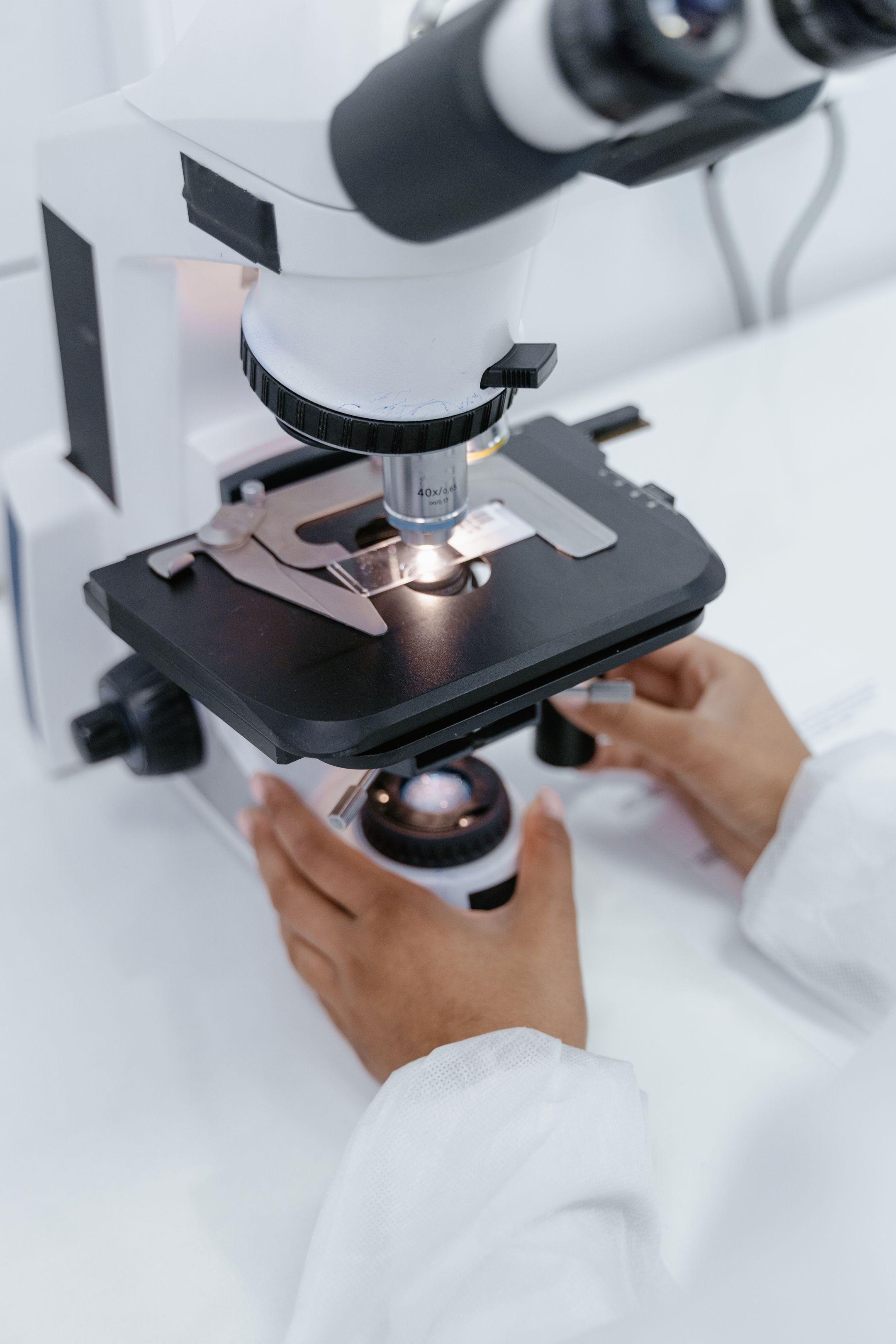
Turning a promising laboratory process into a reliable manufacturing operation takes much more than simply making the process bigger.
As a biotech, pharmaceutical, or cell and gene therapy program moves toward manufacturing, teams have to answer increasingly practical questions. What equipment is needed? How should it be installed? Can the process be reproduced consistently? Are the facility, utilities, automation systems, documentation, and operating teams ready? What still needs to happen before GMP manufacturing can begin?
This is where experienced biotech engineering companies can provide valuable support.
At Bothwell Engineering, we work alongside life science organizations to help turn ideas, processes, and facility plans into functioning operations. We aren't the only piece responsible for a successful manufacturing program, and we don't pretend to be. Instead, our engineers and operational consultants become part of the larger team, helping clients execute the engineering, validation, project, and operational work required to keep a program moving forward.
Early process development is often focused on proving that a scientific concept works.
Manufacturing introduces an entirely different set of demands.
A process that performs well at laboratory scale may need new equipment, different operating parameters, automated controls, additional utilities, formal documentation, and extensive testing before it can be executed reliably in a larger manufacturing environment.
That transition requires collaboration between many disciplines.
Process engineers may evaluate equipment and manufacturing requirements. Equipment engineers may support specification, procurement, installation, and startup. Validation professionals may develop and execute qualification activities. Project managers may coordinate timelines, vendors, workstreams, and resources. Operations personnel may determine how the facility will actually run once construction and commissioning are complete.
Strong biotech engineering companies help clients bring those pieces together instead of treating each one as an isolated task.
One of the first challenges in scaling a process is determining what equipment is actually needed to execute it.
That can involve defining equipment requirements, developing specifications, evaluating vendors, supporting procurement, and considering how individual systems will fit within the larger manufacturing operation.
Our engineers support clients throughout that progression, from initial equipment specification and procurement through installation and startup.
The objective isn't simply to purchase equipment.
The equipment has to support the intended process, integrate with the surrounding facility, and ultimately operate in a way that supports reliable manufacturing.
This is where experienced engineers can help turn process requirements into practical engineering decisions.
Scaling up is rarely a matter of multiplying laboratory quantities.
As production increases, new engineering challenges emerge.
Equipment behaves differently at larger scales. Transfer times change. Mixing, temperature control, flow rates, pressure, utilities, and automation can all become more important. Space constraints and facility infrastructure also start playing a larger role.
Our process and engineering consultants work with clients to address these practical manufacturing challenges.
That may mean supporting a new process entering an existing facility, helping with a new-build manufacturing site, contributing to a facility expansion, or working on manufacturing optimization within an established operation.
The specific assignment varies, but the goal is similar: help translate the intended process into something that can be executed reliably within the client's real manufacturing environment.
Sometimes process development requires more than new equipment.
It requires a new facility, a major expansion, or significant modifications to an existing manufacturing site.
These projects can involve dozens of interconnected workstreams, from construction and utilities to equipment installation, automation, commissioning, documentation, and operational preparation.
Bothwell supports projects ranging from smaller initiatives to capital programs exceeding $100 million, with project management services designed around each client's needs.
Our role can include coordinating workstreams, managing schedules, supporting startup activities, and helping teams move from construction toward operations.
That coordination becomes especially important when multiple groups are working toward the same manufacturing milestone but approaching it from different disciplines.
Installing equipment doesn't mean it's ready for GMP manufacturing.
Life science manufacturers need confidence that systems have been installed correctly, perform as intended, and meet the requirements established for their use.
Commissioning and qualification activities help create that confidence.
At Bothwell, our facility startup and validation support can include equipment installation and shakedown, cleaning cycle development, commissioning, qualification, and risk-based validation programs. Our approach aligns with applicable industry frameworks and regulatory expectations, including ASTM E2500, ISPE guidance, FDA guidance, and ICH principles.
Depending on the project, consultants may help develop protocols, execute testing, resolve issues, document results, and coordinate activities across Engineering, Quality, Manufacturing, and other stakeholders.
This work is critical because a process isn't truly ready simply because the equipment can run.
It has to be demonstrated, documented, and controlled appropriately for the environment in which it will operate.
Modern biopharmaceutical manufacturing relies heavily on automation.
Process control systems have to translate manufacturing requirements into repeatable instructions while supporting data integrity, monitoring, documentation, and regulatory expectations.
Our automation engineers work across technologies including PLC, DCS, and manufacturing execution systems and can help transform process narratives into client-specific automation requirements.
Automation support may include:
Automation becomes particularly important as a process moves from development toward repeatable commercial or clinical manufacturing.
A process shouldn't depend entirely on individual knowledge or manual intervention if it needs to operate consistently at scale.
One of the most challenging transitions in a major life science project occurs when construction begins giving way to everyday operations.
A facility can be physically complete and still not be ready to manufacture.
Procedures need to exist. Systems need to be commissioned and qualified. Operators need appropriate support. Equipment needs to be ready. Documentation needs to be available. Workstreams that previously operated independently need to converge around the requirements of the manufacturing organization.
Bothwell provides operational readiness support specifically to help manage the transition from a construction project to an operating facility.
Our consultants can work alongside client workstream leads to help identify gaps, coordinate activities, and keep readiness efforts moving toward the manufacturing schedule.
That can be especially valuable on new-build and expansion projects where teams have spent years designing and constructing a site but now need to make the shift into actual operations.
Engineering support doesn't necessarily stop after startup.
Once a process begins operating, teams may discover new opportunities to improve reliability, efficiency, capacity, or ease of operation.
Equipment may require troubleshooting. Process bottlenecks may become clearer. Automation may need refinement. Procedures may need to evolve as teams gain operating experience.
Experienced biotech engineering companies can provide resources during this stage as well.
Bothwell's manufacturing, process, and engineering consultants can support equipment troubleshooting and ongoing process needs, while our automation specialists can help refine systems as manufacturing requirements evolve.
This kind of support helps organizations keep moving rather than treating startup as the end of the engineering process.
Life science companies don't always need the same resources for the entire duration of a program.
A facility project may need several process engineers during one phase, validation professionals during another, and operational resources as manufacturing approaches.
A company may need six months of specialized help to support a particular equipment qualification or process transfer rather than adding a permanent internal team.
That's one advantage of working with a consulting and staffing partner.
At Bothwell, we provide customized resources ranging from short-term contracts to longer-term staff augmentation. We work with biotech, pharmaceutical, cell therapy, and gene therapy organizations across both clinical and commercial programs.
Our network includes professionals with experience across engineering, validation, automation, project management, facility operations, and manufacturing support.
The goal isn't simply to fill a seat.
It's to connect clients with people whose experience fits the actual work that needs to be done.
Technical experience matters, but engineering consulting is still fundamentally about people working together.
Bothwell was founded in 2011 by professionals who had spent years working as contractors themselves. The company was built around the idea that taking care of employees and building strong relationships with clients ultimately creates better partnerships.
That philosophy still shapes how we operate.
Our owners continue to work directly in consulting, and together they bring more than 60 years of industry experience across pharmaceuticals, biotechnology, cell therapy, and gene therapy.
We also work hard to match consultants with opportunities that fit their expertise and interests while giving clients access to professionals who understand the realities of life science manufacturing.
We don't need to be the biggest engineering consulting company.
We want to be the company clients and consultants trust to do the work well.
A new therapy or manufacturing process can begin as an idea long before there's a functioning facility around it.
Turning that idea into an operational manufacturing process requires years of work from scientists, engineers, quality teams, operations groups, vendors, contractors, regulators, and many others.
Our role at Bothwell is to contribute the engineering and operational expertise our clients need along that path.
That can mean supporting equipment procurement today, managing installation tomorrow, executing validation activities later, and helping prepare the operation for its first GMP runs when the facility is ready.
We work alongside our clients throughout those stages, executing the work we've been brought in to support and helping their internal teams move the program forward.
Ultimately, the larger objective belongs to everyone involved: establishing reliable manufacturing operations capable of supporting the therapies and products patients depend on.
If you're developing a manufacturing process, expanding an existing facility, preparing a new site for operations, or need additional expertise for a specific project, the right engineering resources can help keep the work moving.
Bothwell Engineering provides process engineering, facility startup, commissioning and validation, project management, automation, operational readiness, and staffing support for biotech, pharmaceutical, cell therapy, and gene therapy organizations.
If you're evaluating biotech engineering companies for an upcoming project, connect with Bothwell Engineering to discuss your program, timeline, and resource needs.

